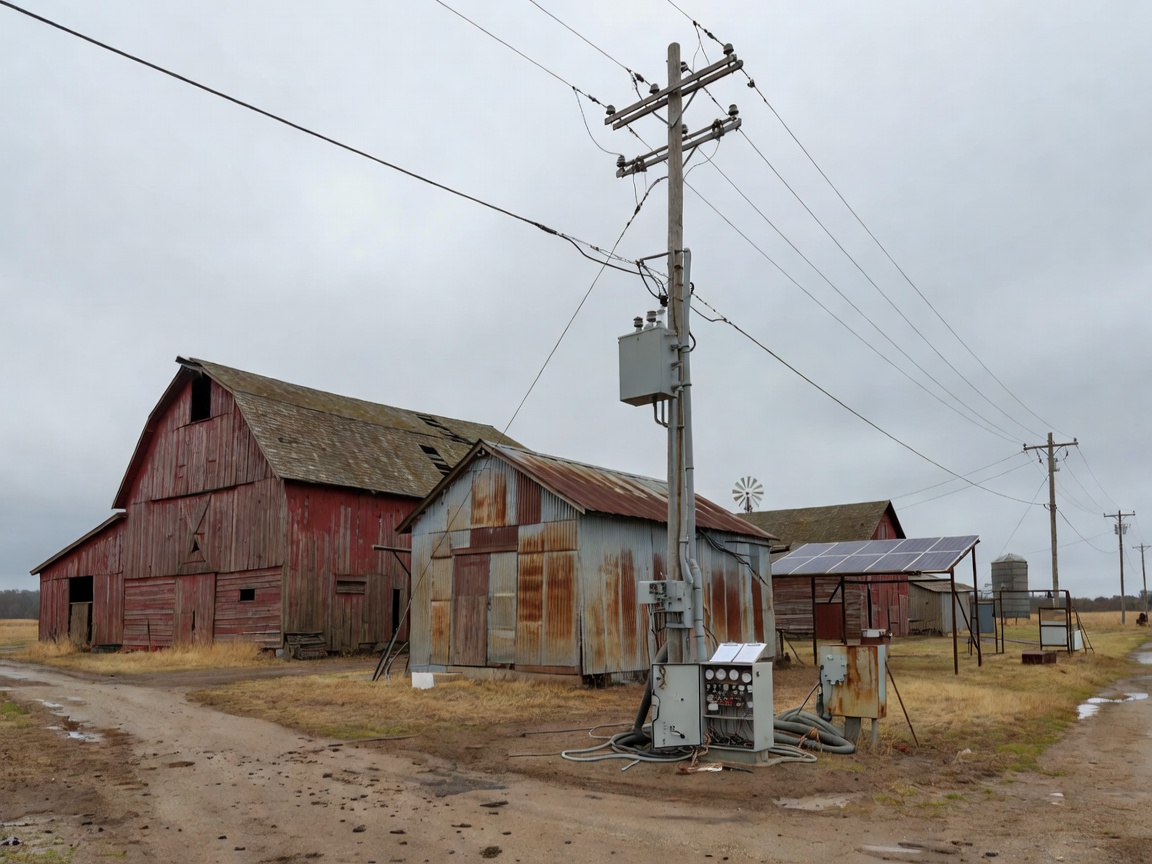
Farm energy is rarely one simple load. A dwelling, workshop, grain store, livestock building, refrigeration unit, irrigation pump and processing area can all operate on different schedules. An assessment records those differences before a proposal is shaped around assumptions.
Energy use is not the same as energy demand
Energy use describes the electricity or fuel consumed over a period. Energy demand describes how much power is required at a particular time. Energy efficiency concerns the service delivered for the energy consumed. Renewable generation adds a source of energy but does not automatically correct a poorly timed or inefficient load.
This distinction matters. A property may have moderate annual use but a short, high-demand operating period. Another may run steady refrigeration or ventilation loads throughout the day. The useful question is not simply “how much energy?” It is “which loads operate, when, under what conditions and with what operational priority?”
What to assess
- Building types, occupancy and operating hours
- Heating, cooling and ventilation equipment
- Refrigeration, pumps and irrigation systems
- Lighting, workshops and processing loads
- Motors, controls and maintenance condition
- Seasonal work and weather-sensitive demand
- Meter arrangements and available bills
- Roof, ground and access constraints
- Existing electrical infrastructure
- Expansion plans and continuity requirements
Evidence makes the next step clearer
Useful documentation can include bills, meter data, equipment schedules, operating notes, maintenance records and building plans. Where available, interval data can show load timing more clearly than annual totals. Measurements should be planned and interpreted by appropriately qualified people. This site does not provide electrical testing instructions or a substitute for a professional assessment.
Site constraints belong in the same record as consumption. Roof condition, shading, access, drainage, protected areas, cable routes and space for future equipment may affect feasibility. A technically attractive option may not suit the farm’s access pattern or maintenance routine.
Advantages and limitations
The advantage of a structured assessment is prioritisation. It can distinguish a control change from an equipment replacement, a generation opportunity from a connection constraint, and a current requirement from a future one. The limitation is that the result depends on the quality and time range of the information available. Seasonal operations require seasonal thinking; one visit or one bill cannot represent every condition.
Short checklist
- Collect bills and available interval data.
- List buildings, equipment and operating schedules.
- Identify seasonal, critical and flexible loads.
- Record site access and infrastructure constraints.
- Ask a qualified professional to validate technical findings.
Related decisions
Use the baseline to compare solar options, understand storage timing or prioritise efficiency measures. For a staged programme, see renewable energy planning.
Need a clearer starting point?
Send the operating context. We will return an information-led response, not an unsupported performance promise.
Contact the team