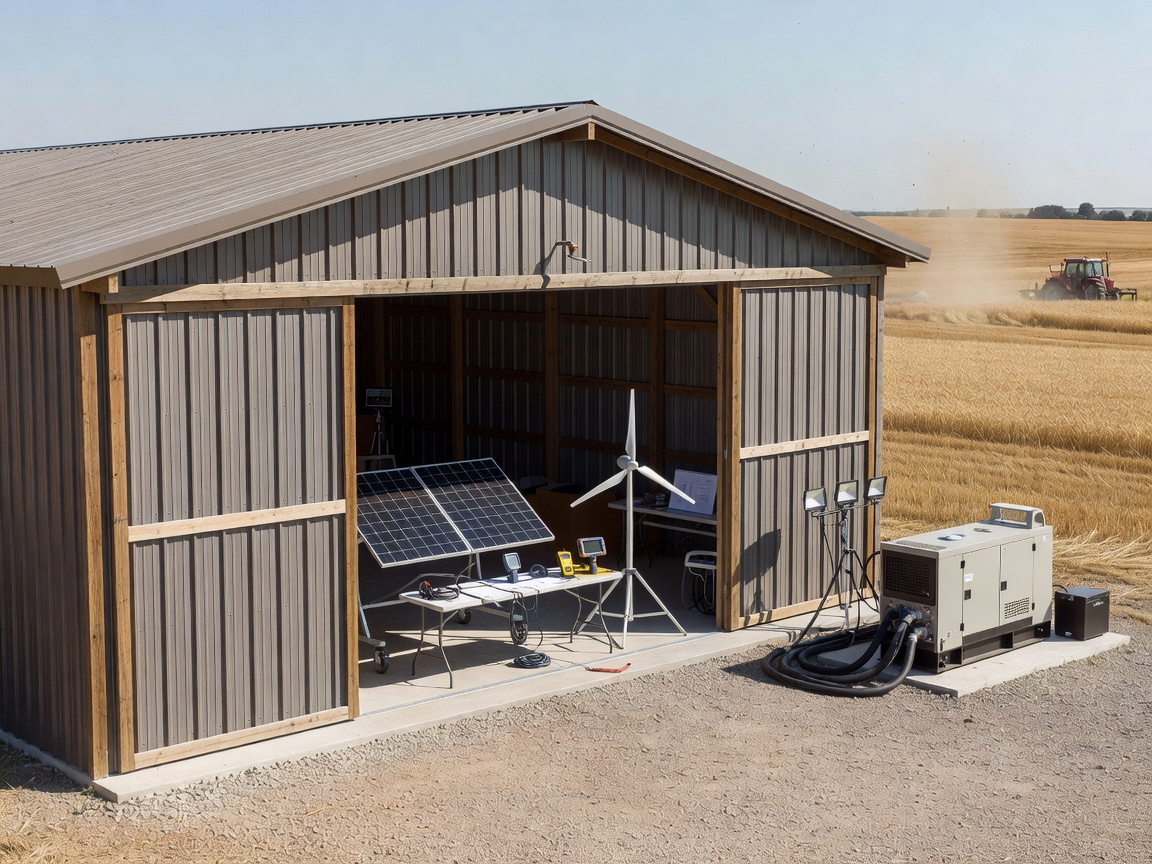
01 / Baseline
Farm Energy Assessment
Map buildings, equipment loads, seasonal demand and site constraints before selecting a technology.
Read the guide ↗Agricultural energy control / 2026
Agricultural properties carry different loads, buildings, seasons and operating constraints. We organise the information needed to plan renewable generation, storage and efficiency measures without guessing at farm-specific results.
01 / SERVICES
Five practical entry points. Each addresses a different part of the farm energy system.
01 / Baseline
Map buildings, equipment loads, seasonal demand and site constraints before selecting a technology.
Read the guide ↗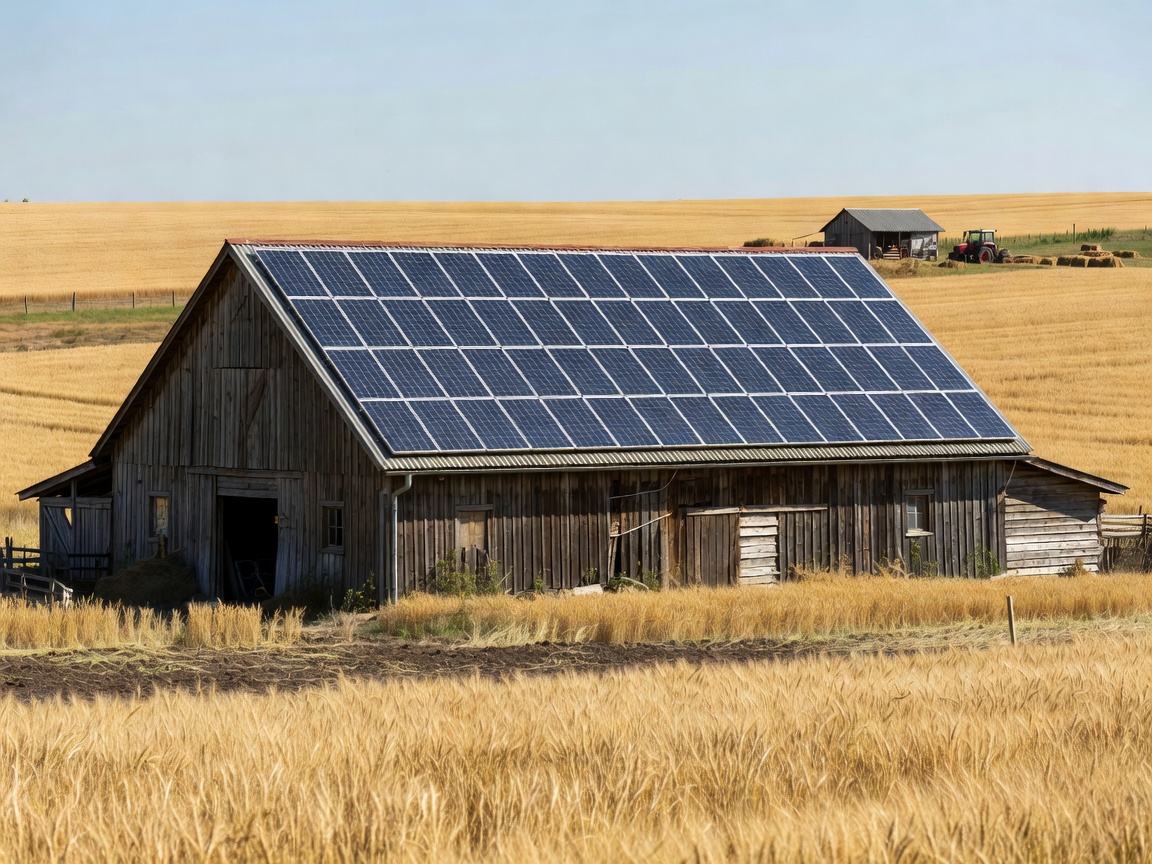
02 / Generation
Compare agricultural rooftops and ground-mounted possibilities using space, orientation and connection criteria.
Read the guide ↗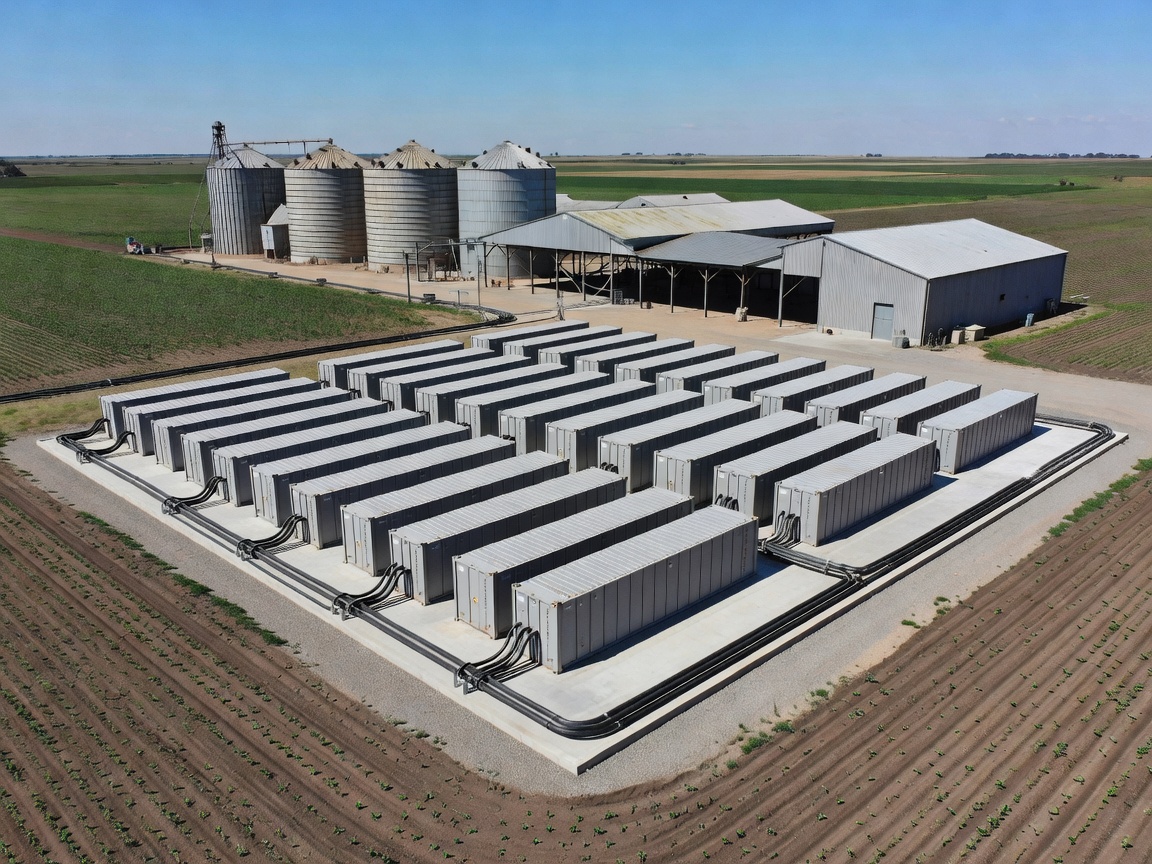
03 / Timing
Understand how storage can align renewable generation with demand timing and operating profiles.
Read the guide ↗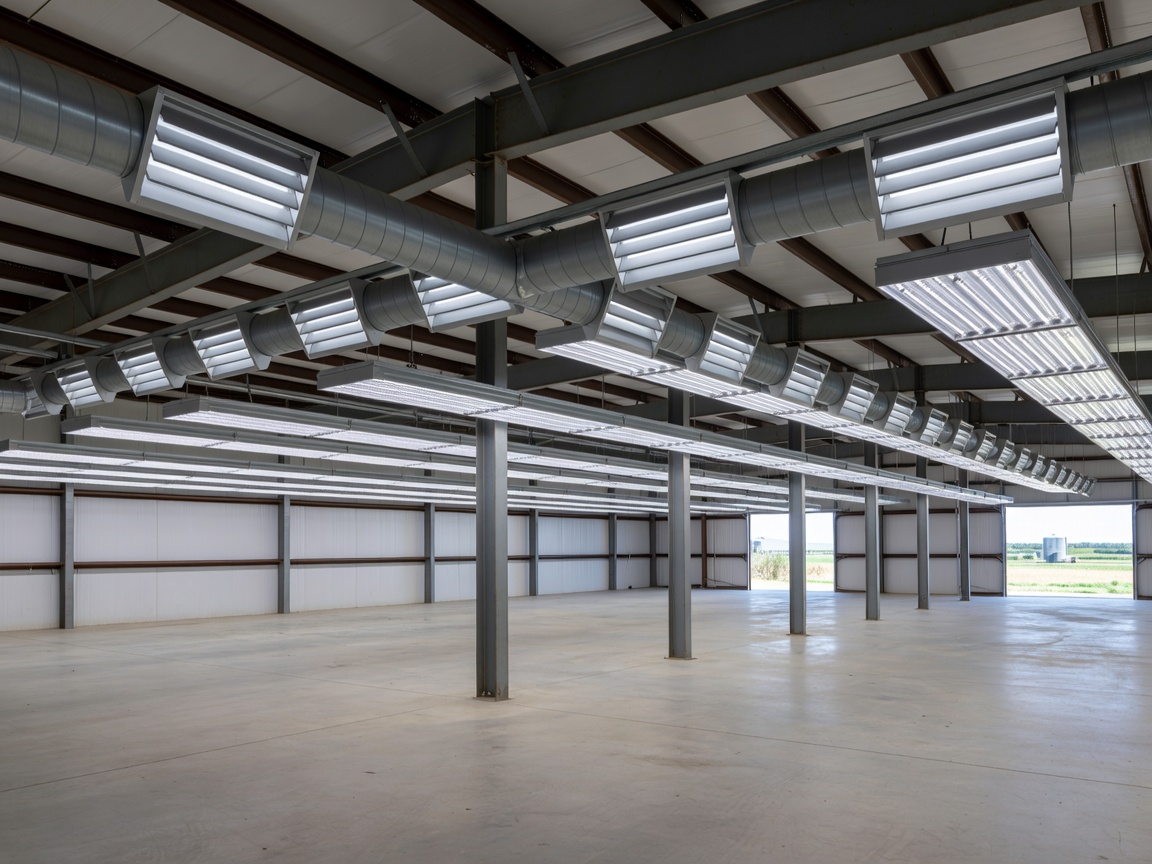
04 / Reduction
Review motors, pumps, lighting, climate systems, controls and scheduling before adding generation.
Read the guide ↗
05 / Direction
Build a staged plan that connects demand, site suitability, technology selection and future maintenance.
Read the guide ↗02 / METHOD
Sequence matters. Start with evidence from the operation, then match infrastructure to that evidence.
CONTROL MARKERS